Buying a Naples condo under Florida’s new condo laws
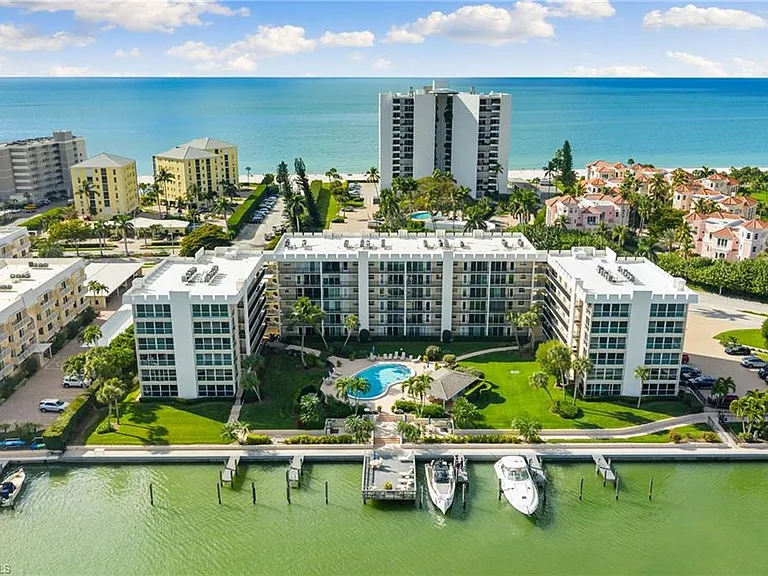
I get the same question from almost every condo buyer who calls me: is this building going to hit me with a big assessment? It’s a fair question. Since Florida passed its condo safety laws, the cost of keeping older buildings in shape has moved out into the open, and in Naples, where so much of the market is condos, that has changed how buyers should shop. The good news is that you can now see far more about a building before you buy than you used to. You just have to know what to ask for.
What changed, in plain terms
After the Surfside collapse in 2021, Florida passed a law in 2022 that created two requirements for condo buildings with three or more habitable stories. The first is a milestone inspection of the building’s structure. The second is a structural integrity reserve study, usually called a SIRS, which looks at the major parts of the building and sets out how much the association needs to save each year to repair or replace them.
Lawmakers adjusted the rules again in 2025 with House Bill 913, which took effect July 1, 2025. It gave associations more ways to pay for repairs, set a December 31, 2025 deadline for reserve studies, and gave buyers more time to review the paperwork.
The milestone inspection
A licensed engineer or architect inspects the building in two phases. Phase one is a visual inspection. If it finds substantial structural deterioration, a phase two evaluation follows, and repairs from phase two must begin within 365 days. The results go to the local building official and to the owners. Buildings generally reach their first milestone inspection at 30 years, and local officials can require it earlier for buildings close to saltwater, which covers a lot of Naples.
The reserve study and why it matters for your monthly cost
The SIRS covers the parts of a building that cost the most to fix: the roof, the structure and load-bearing walls, waterproofing, windows and exterior doors, plumbing, electrical and fire protection. It has to be redone every 10 years. The big change for owners is that associations can no longer vote to skip or reduce reserves for those items. Buildings that went years without saving now have to catch up, and that shows up as higher monthly fees, special assessments, or a loan the association repays over time.
HB 913 lets associations fund the work through special assessments, loans or lines of credit, approved by a majority of the owners. After a milestone inspection, an association can also pause reserve contributions for up to two budget years so the money goes to the repairs the inspection found first. When you’re looking at a unit, these are the decisions you want to know about, because they decide what you’ll pay after you close.
What I ask for before you make an offer
Because I spent more than 30 years in construction before I went into real estate, I read these reports the way a builder does. I look at what the engineer found and what the repairs are likely to cost, not just whether the report exists. On every condo I show, this is the list I go through with my clients:
- The milestone inspection report, phase one and phase two if there is one, and whether the repairs have started.
- The latest SIRS, the reserve balance today, and the funding plan going forward.
- The current budget and the monthly fee, and whether the fee is set to rise.
- Any special assessment that has been approved, or that the board is talking about.
- Any loan or line of credit the association has taken out, and how it is being repaid.
- Board meeting minutes from the last year or two. This is often where an assessment shows up first.
- The insurance on the building and what it costs the association.
Use your 7 days
Under HB 913, a buyer now has 7 days instead of 3 to review the association’s documents after receiving them, and the association has to tell buyers how it plans to fund its reserves. Seven days is enough to read the reports properly if you start right away. I schedule the review as soon as the documents arrive, and when something needs a second opinion, I bring in a contractor or engineer I trust.
A newer building is not always the safer bet
Buyers sometimes rule out older buildings altogether. That can be a mistake. A 1980s building on Gulf Shore Boulevard that has finished its inspection, made its repairs and funded its reserves can be a better purchase than a newer one that hasn’t started saving. What matters is where the building is in the process and how it is paying for the work. In some cases, a building in the middle of a big repair program is priced to reflect it, and that can be an opportunity if the numbers work for you.
Talk to me before you fall in love with the view
If you’re looking at condos in Naples, Park Shore, Pelican Bay, Bonita Springs, Estero or Fort Myers, call or email me before you write an offer. I’ll help you get the right documents, read them with you, and give you a straight answer on what you’re buying. You can also look at the homes and condos I’ve helped clients buy and rent, and how I work with buyers.
This article is general information, not legal advice. Condo laws continue to change, so confirm the details for a specific building with the association and a Florida real estate attorney.
Common questions
Do the Florida condo safety laws apply to every condo in Naples?
The milestone inspection and structural integrity reserve study apply to condo buildings with three or more habitable stories. Smaller buildings, such as four-unit buildings of three stories or fewer, are exempt from the reserve study.
What is a SIRS on a Florida condo?
A structural integrity reserve study looks at the roof, structure, waterproofing, windows, plumbing, electrical and fire protection, estimates their remaining life and repair cost, and sets how much the association must save each year. It is redone every 10 years, and reserves for those items can no longer be waived.
How long do I have to review condo documents in Florida?
Under HB 913, a buyer has 7 days instead of 3 to review the association’s documents after receiving them, and the association must disclose how it plans to fund its structural reserves.
Will I have to pay a special assessment after I buy a Naples condo?
It depends on the building. Ask for the milestone inspection, the reserve study, the budget, any approved assessments or loans, and recent board minutes before you make an offer. Those documents show what work is coming and how the association plans to pay for it.